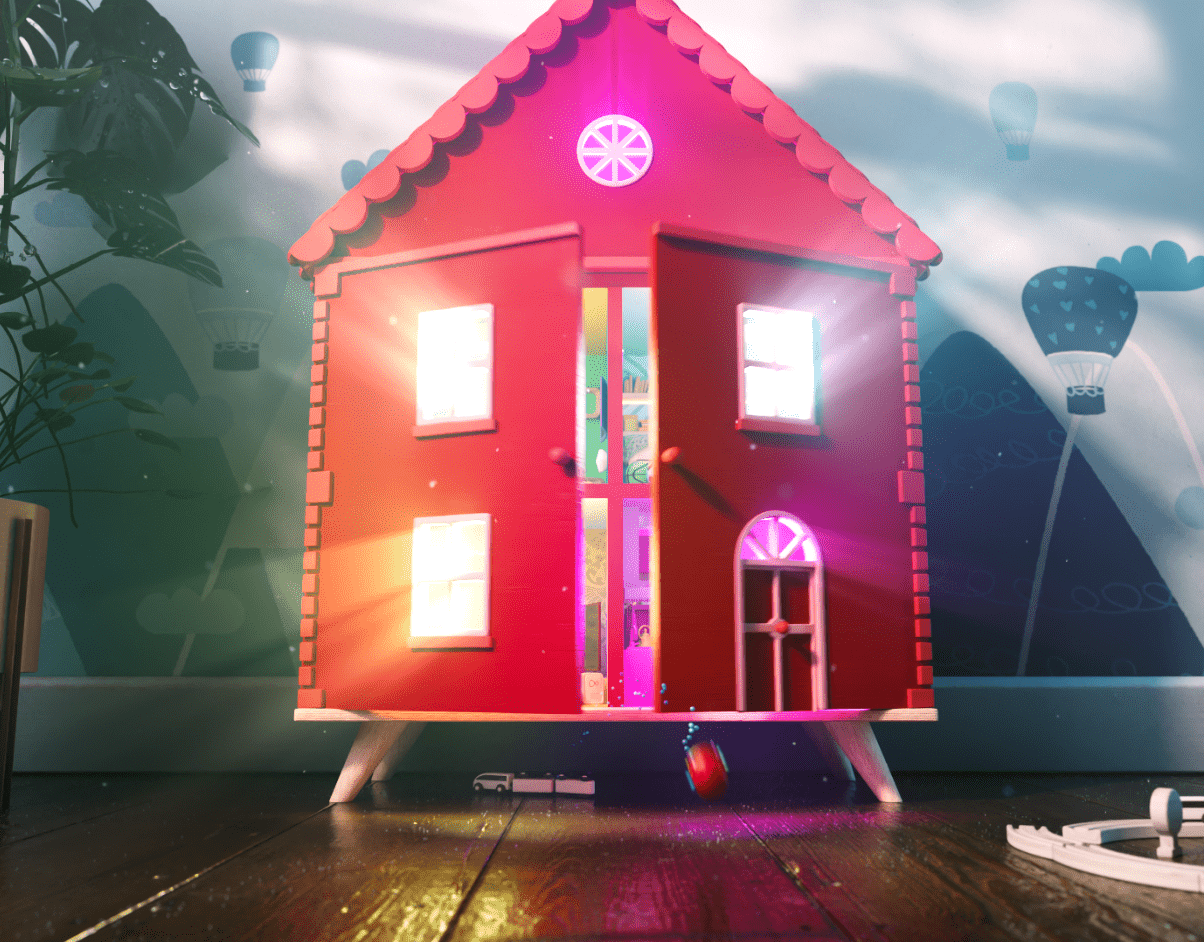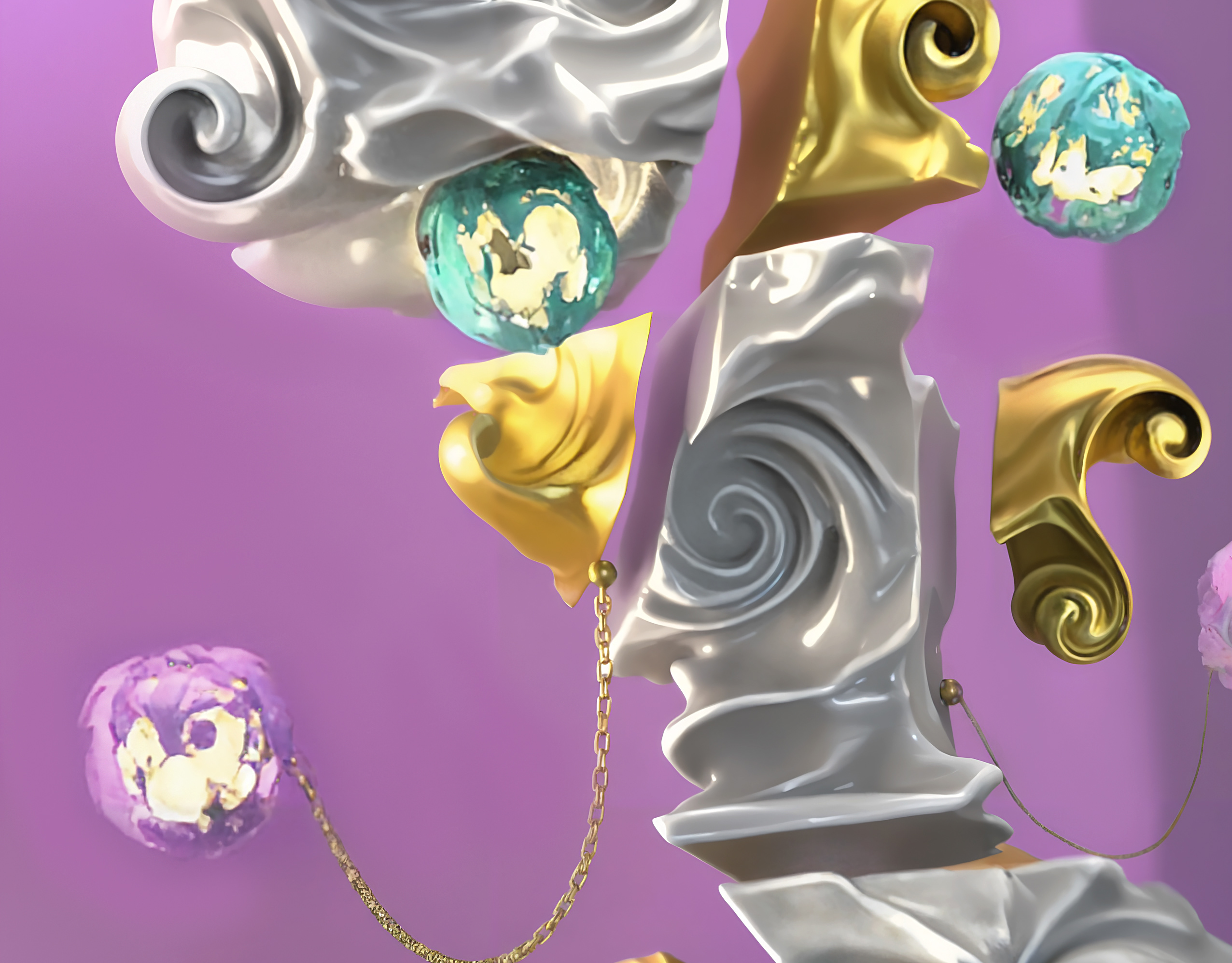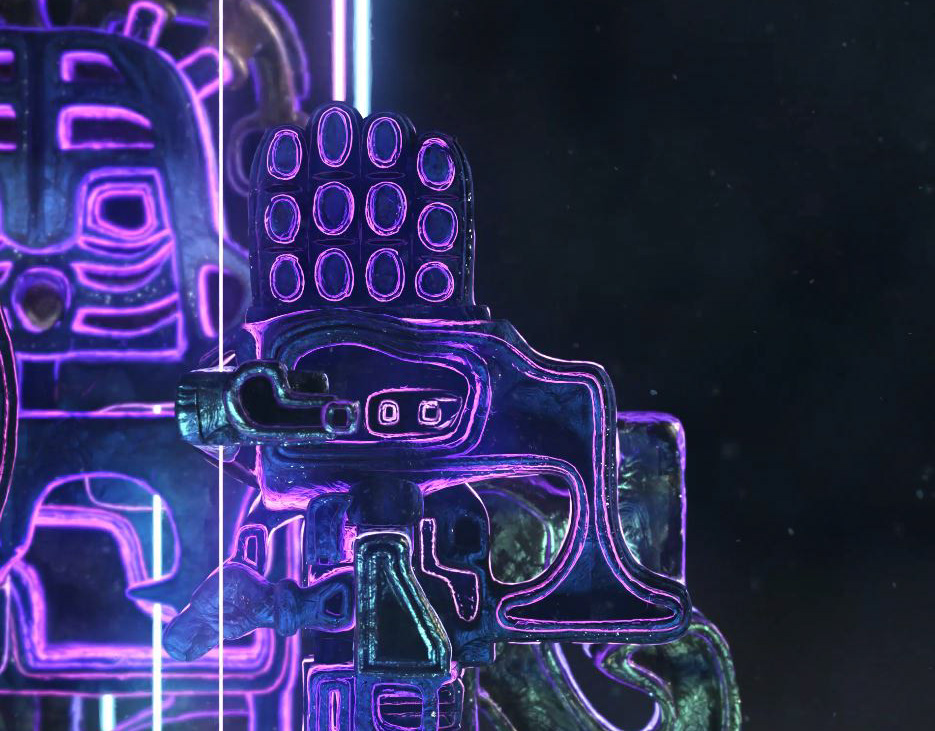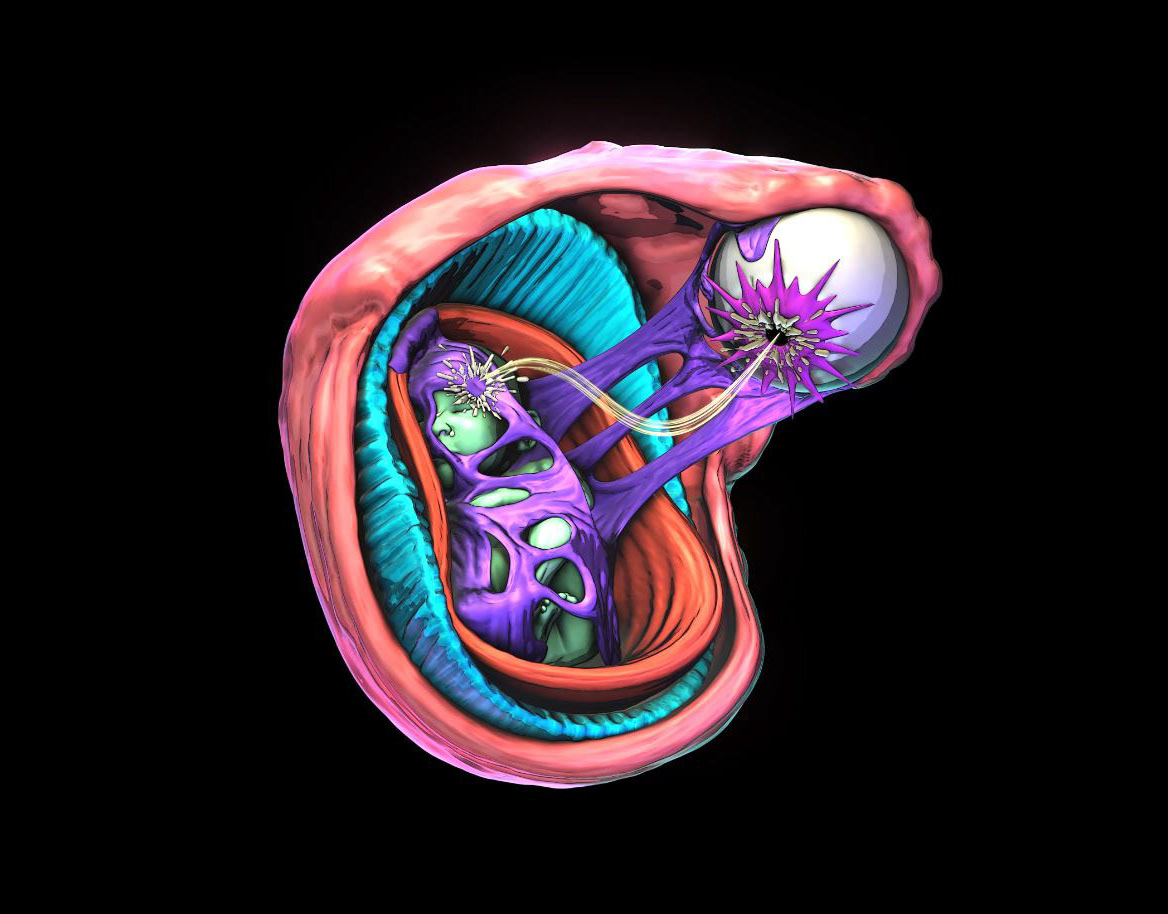
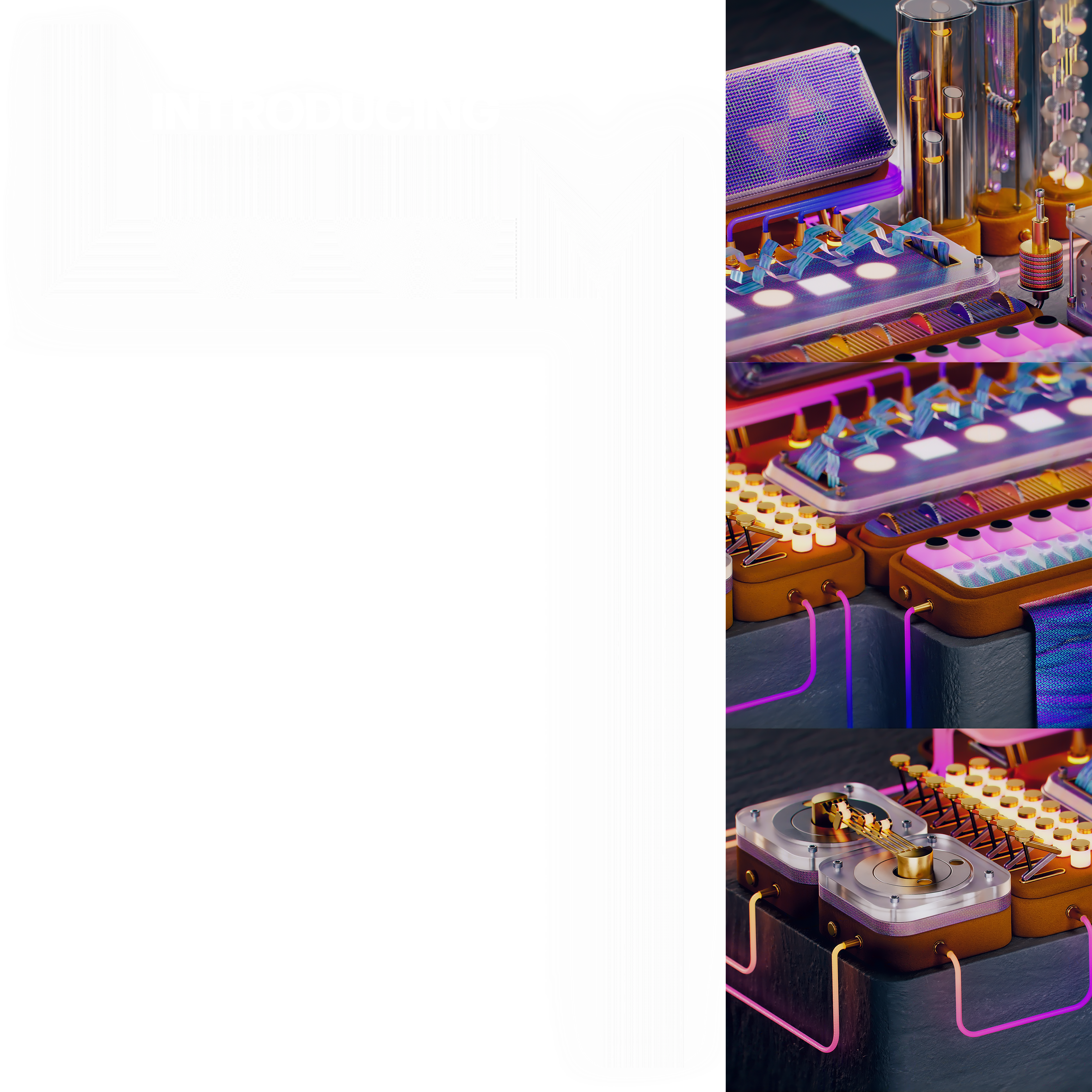
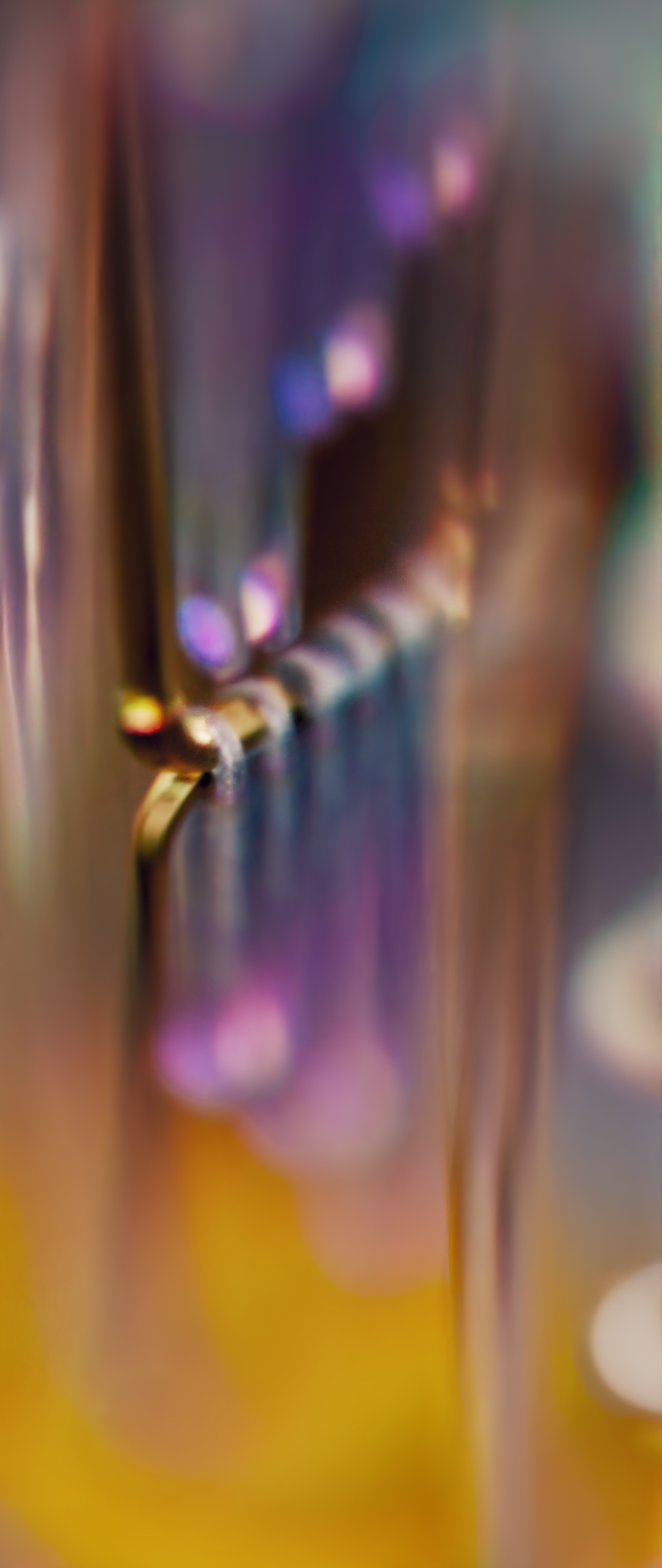
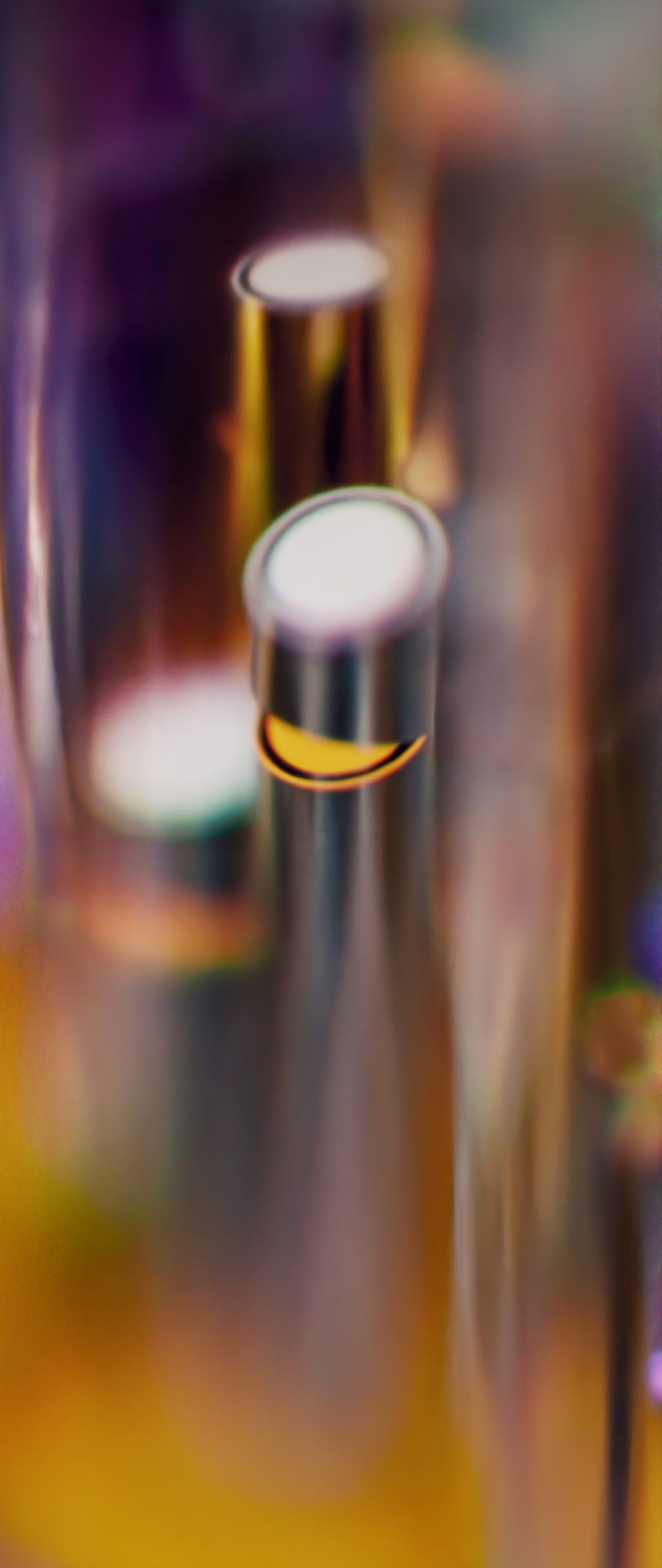
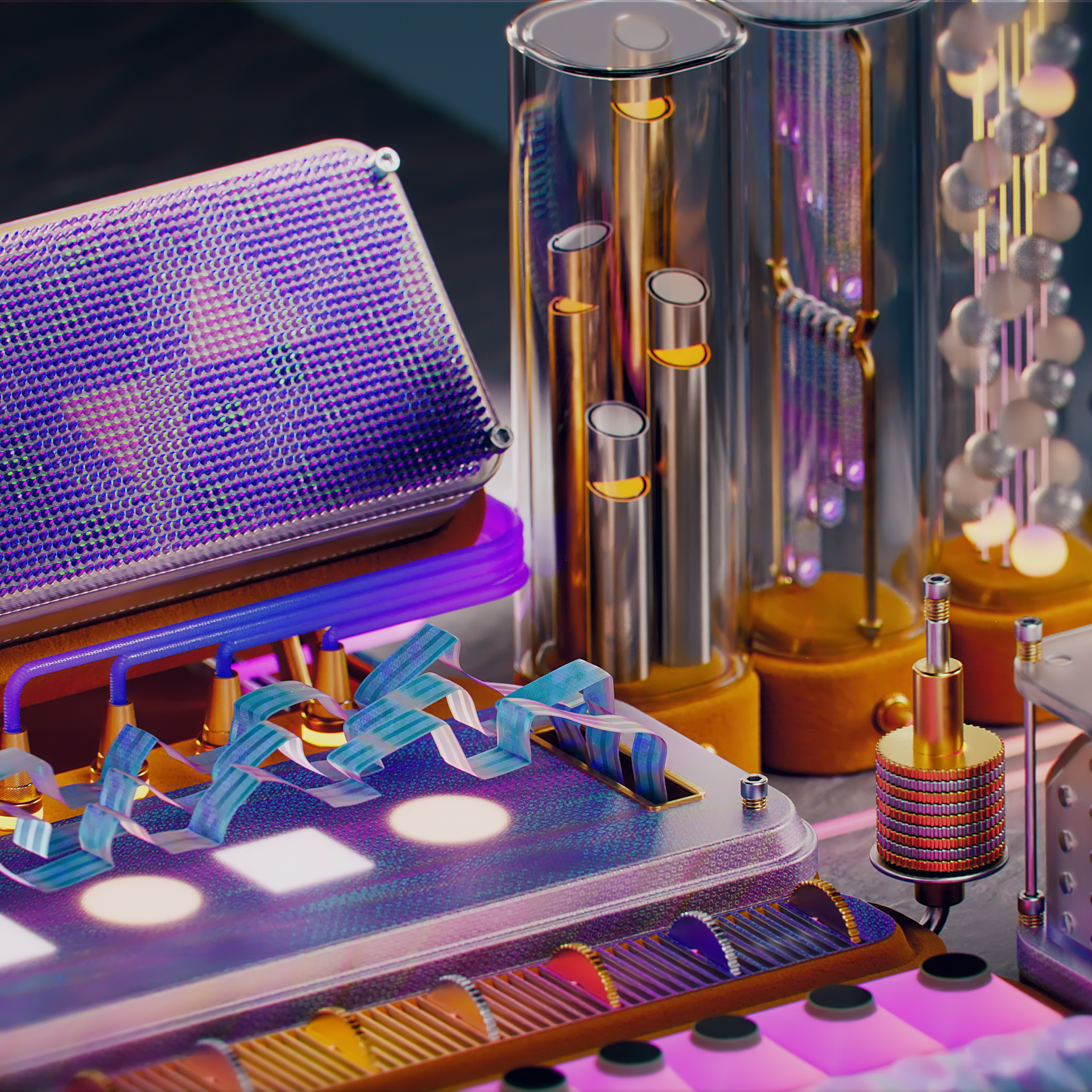
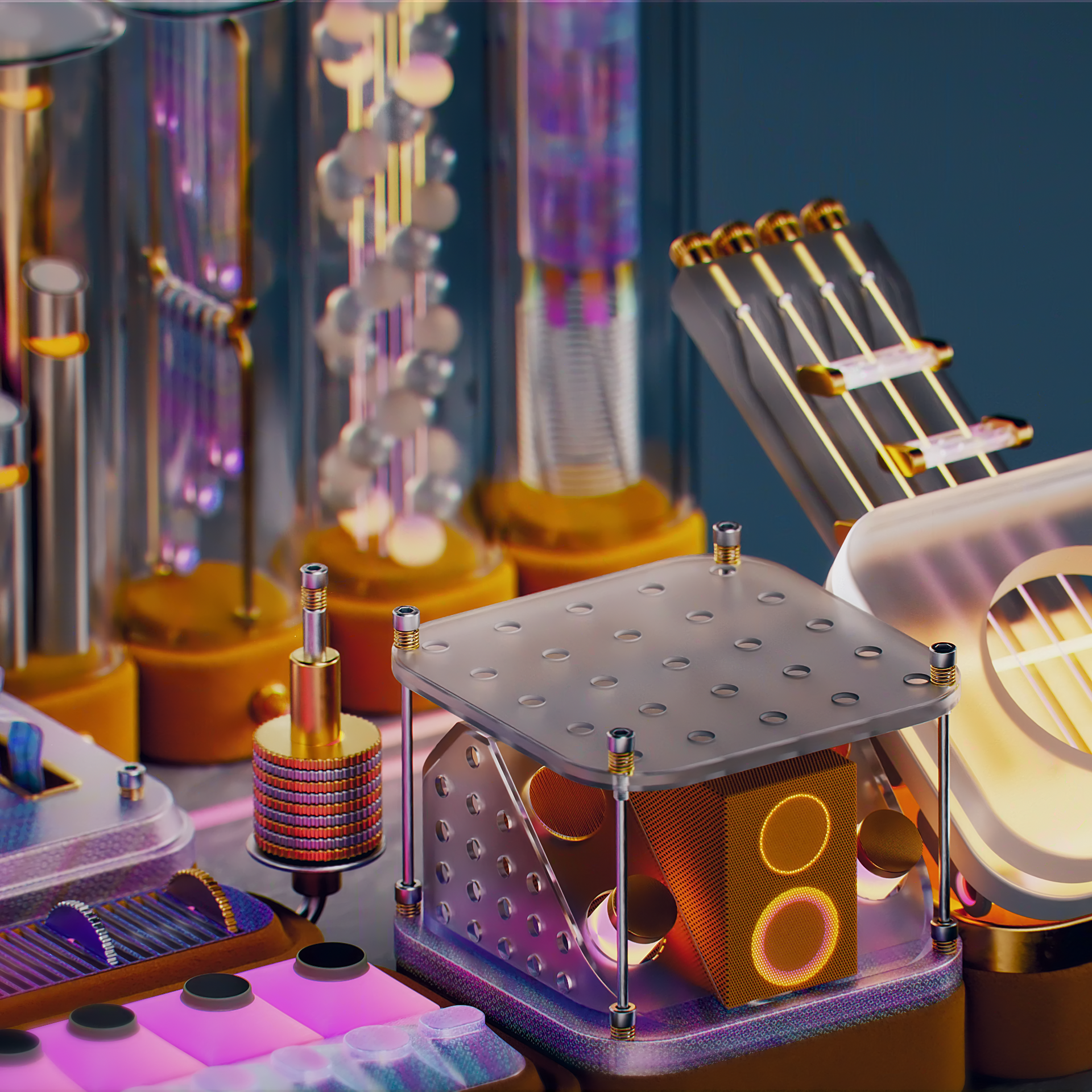
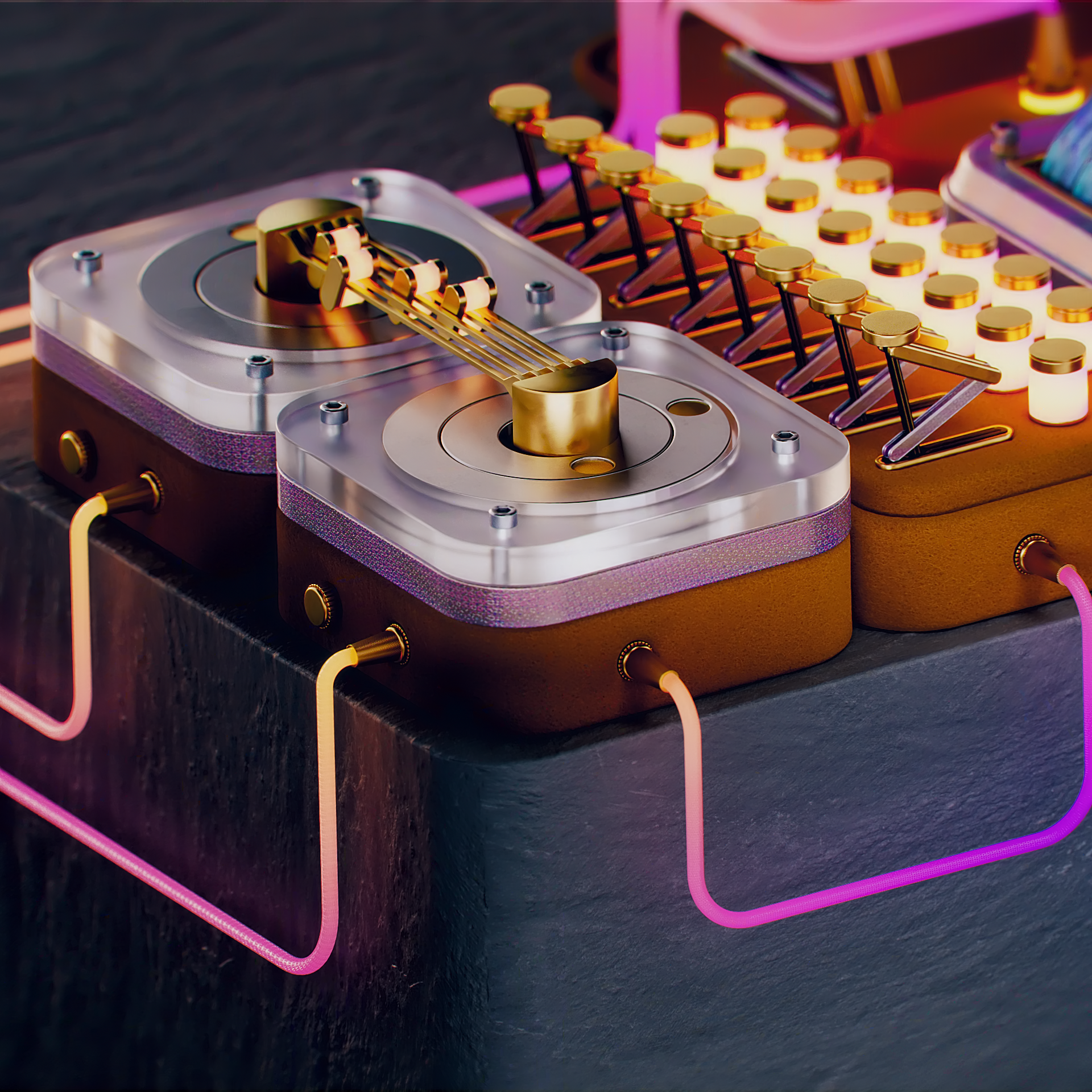
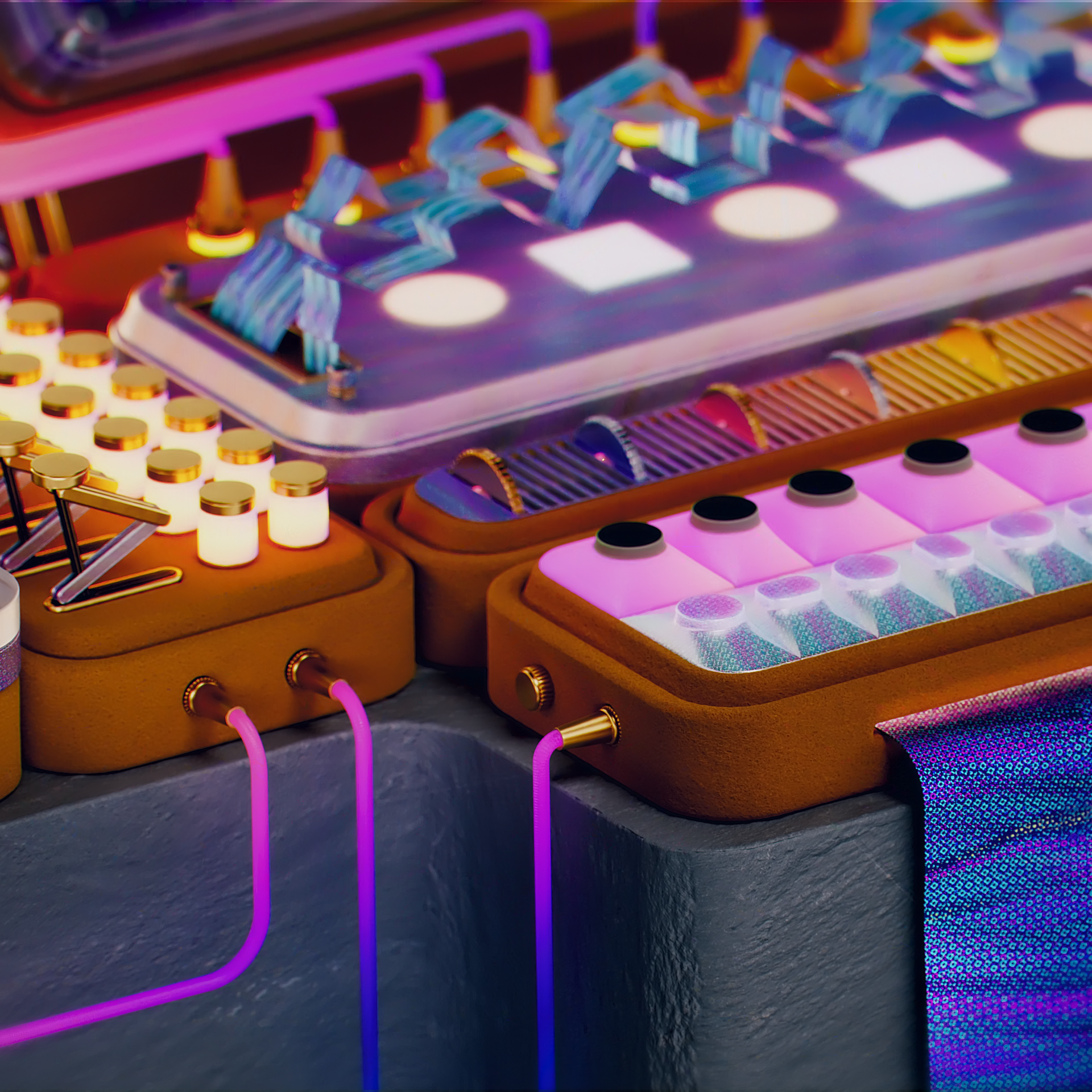
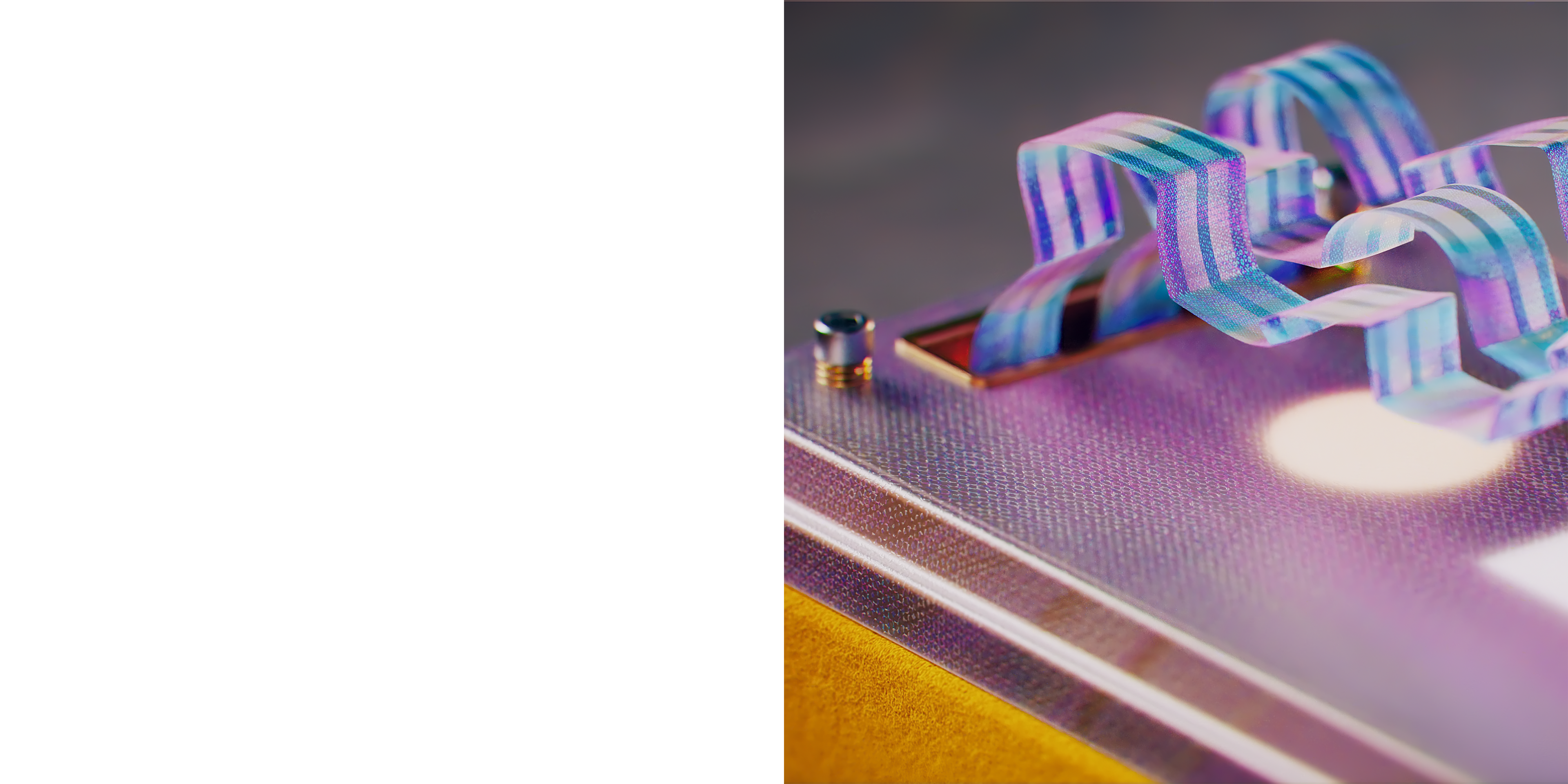
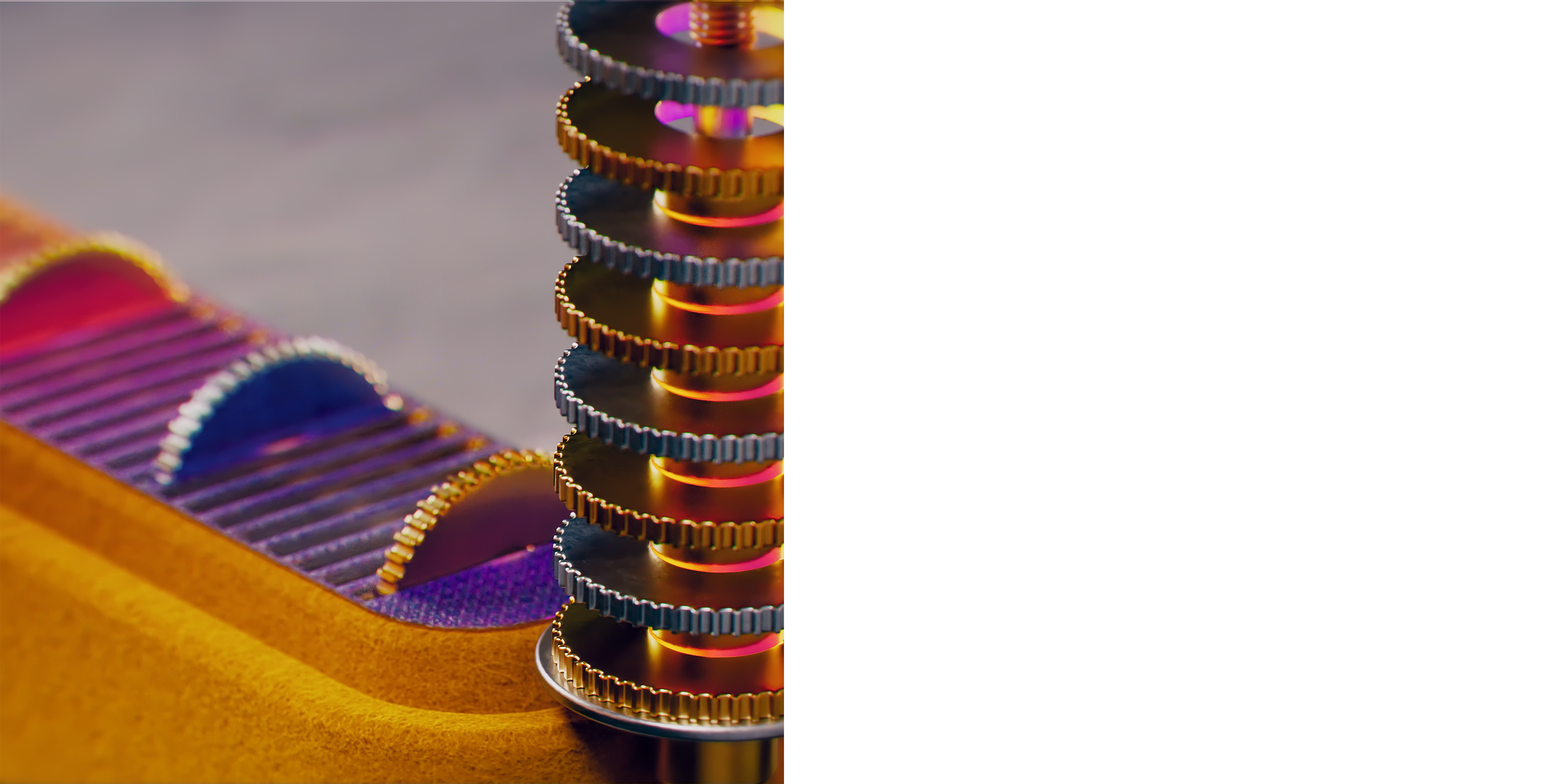
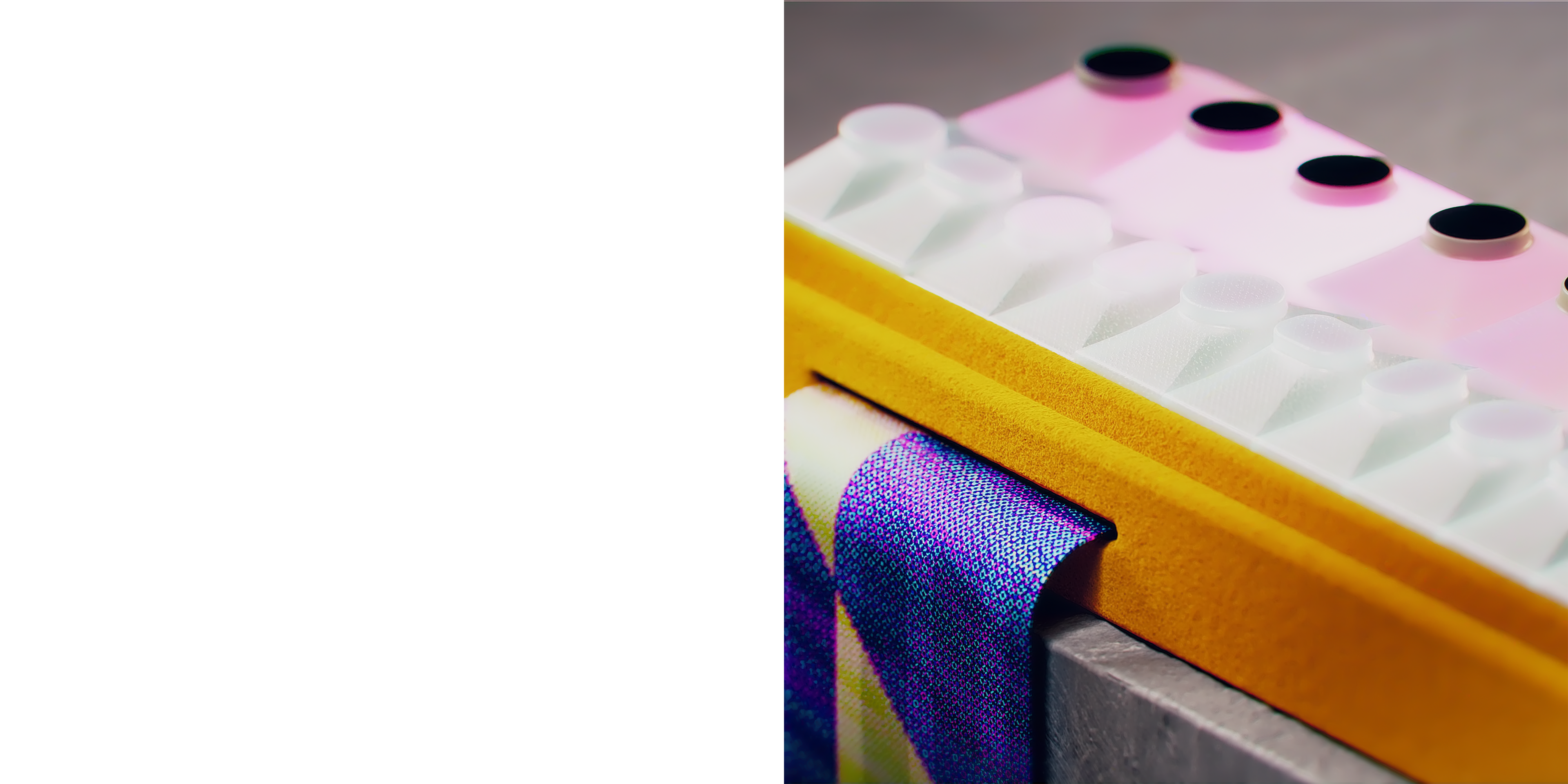
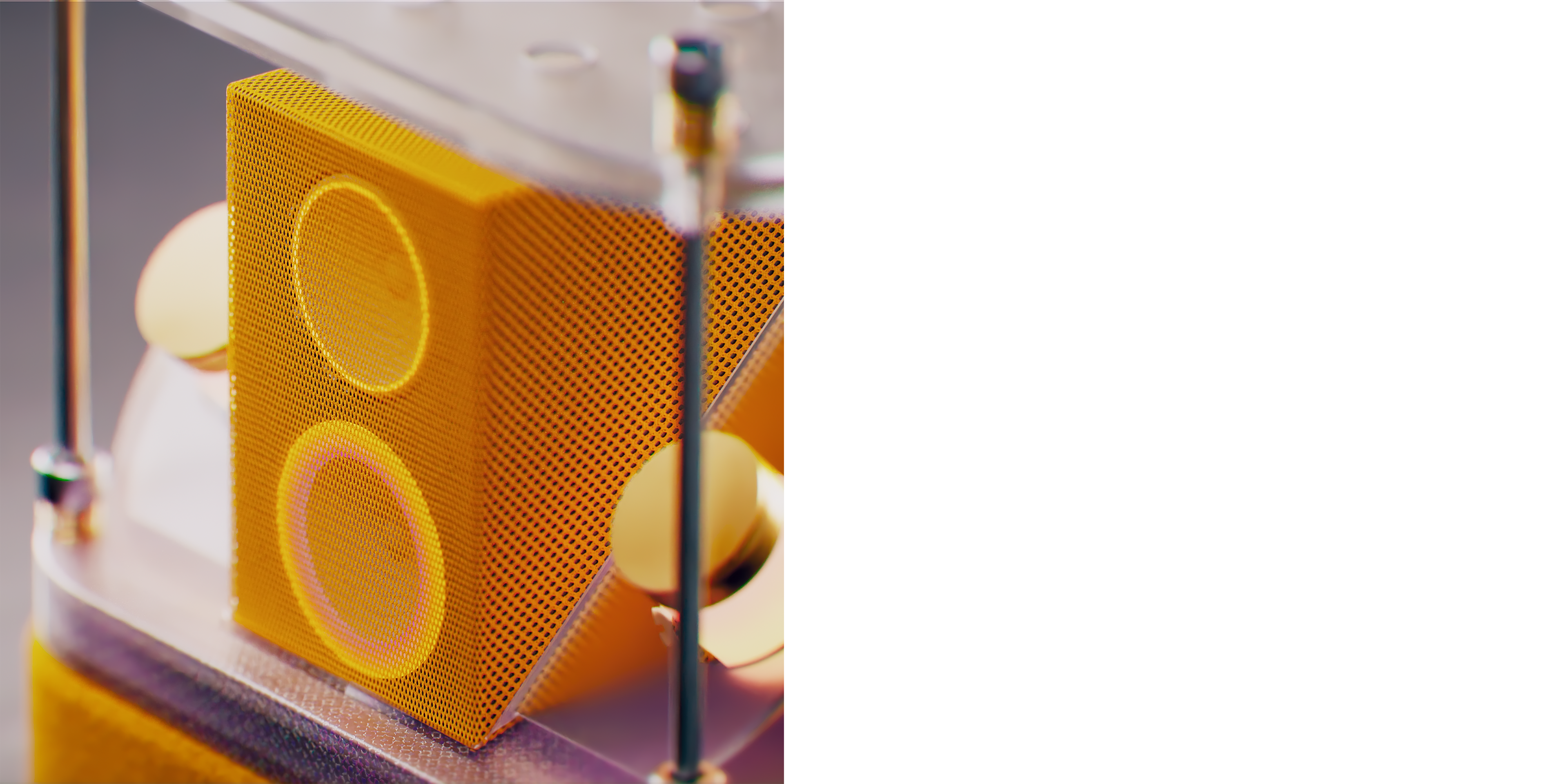
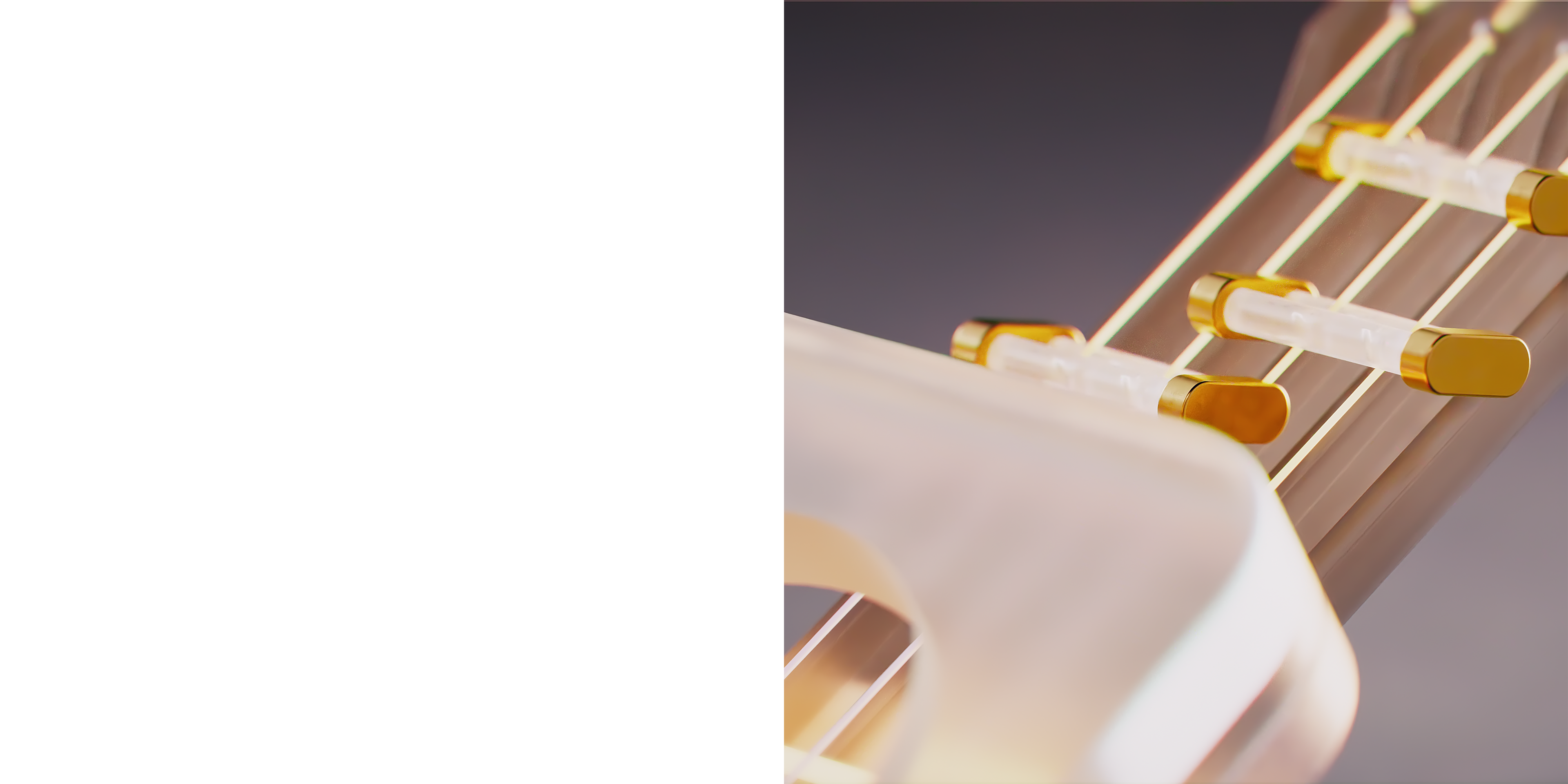
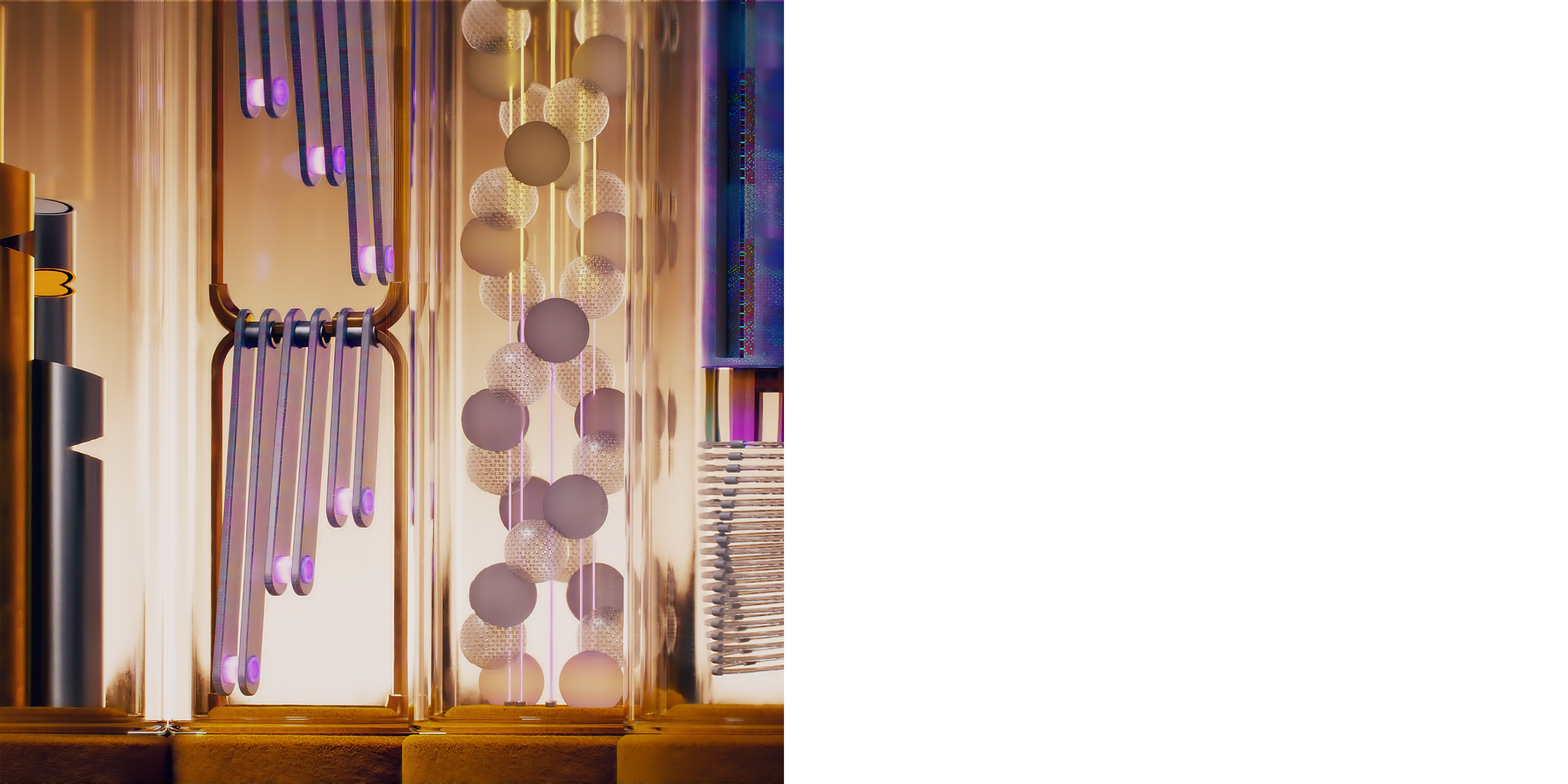
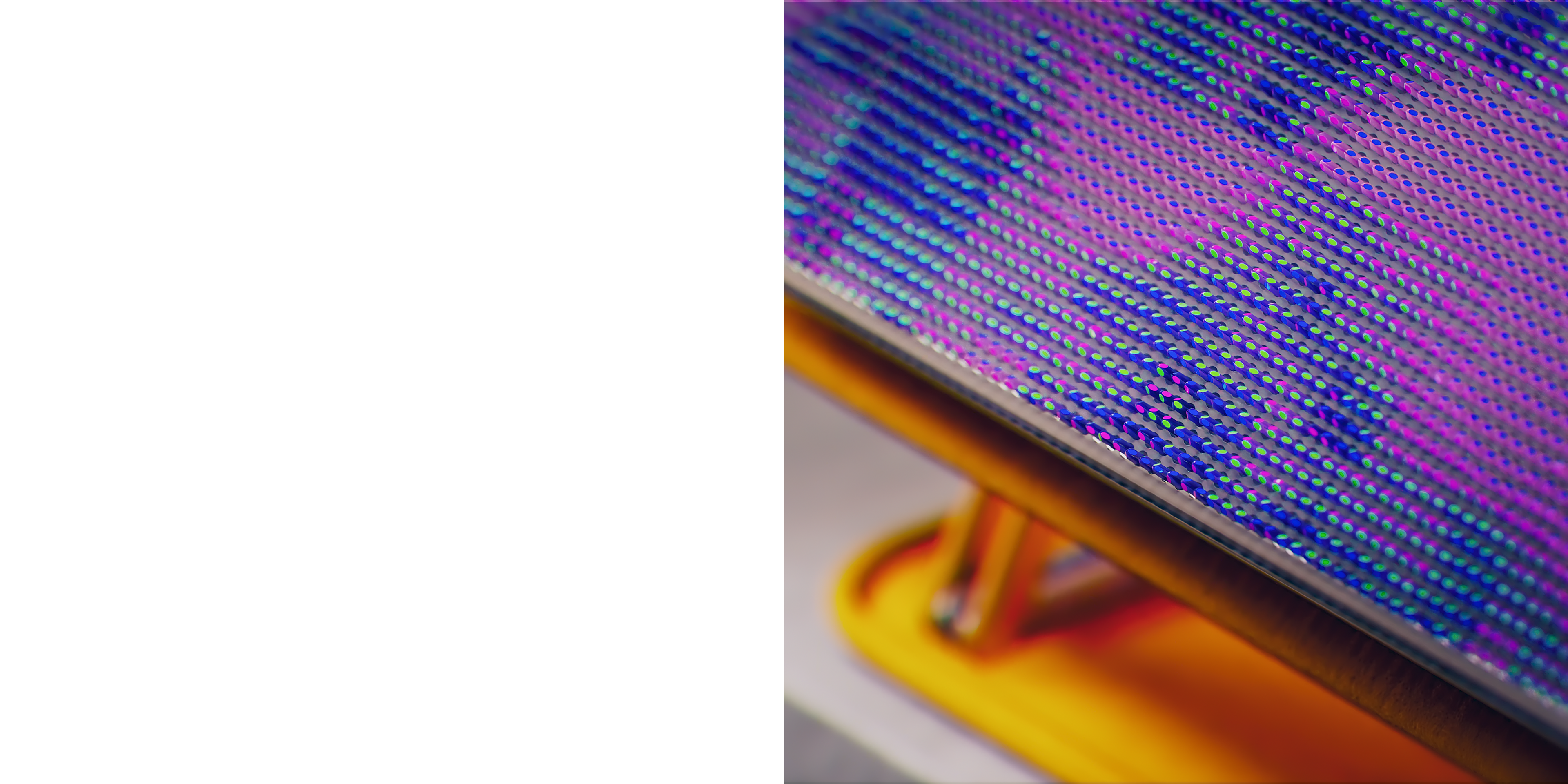

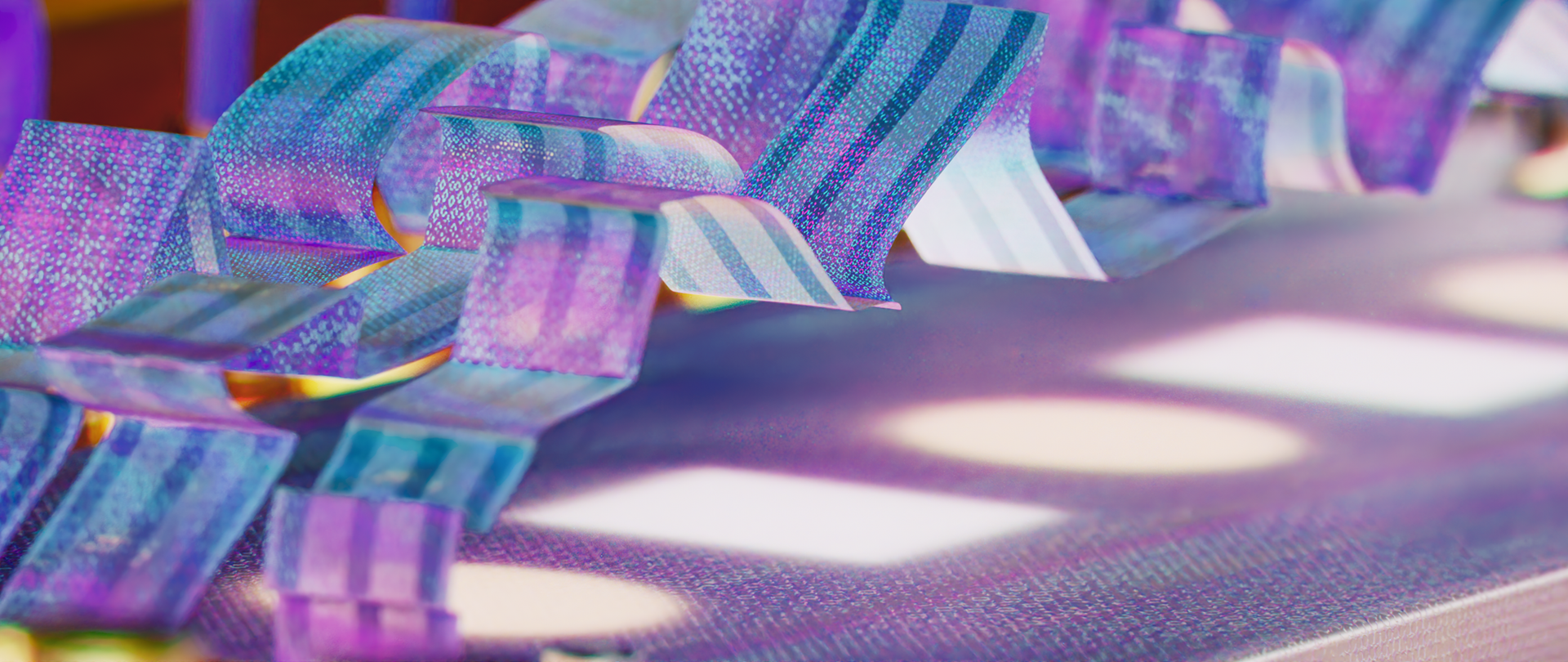
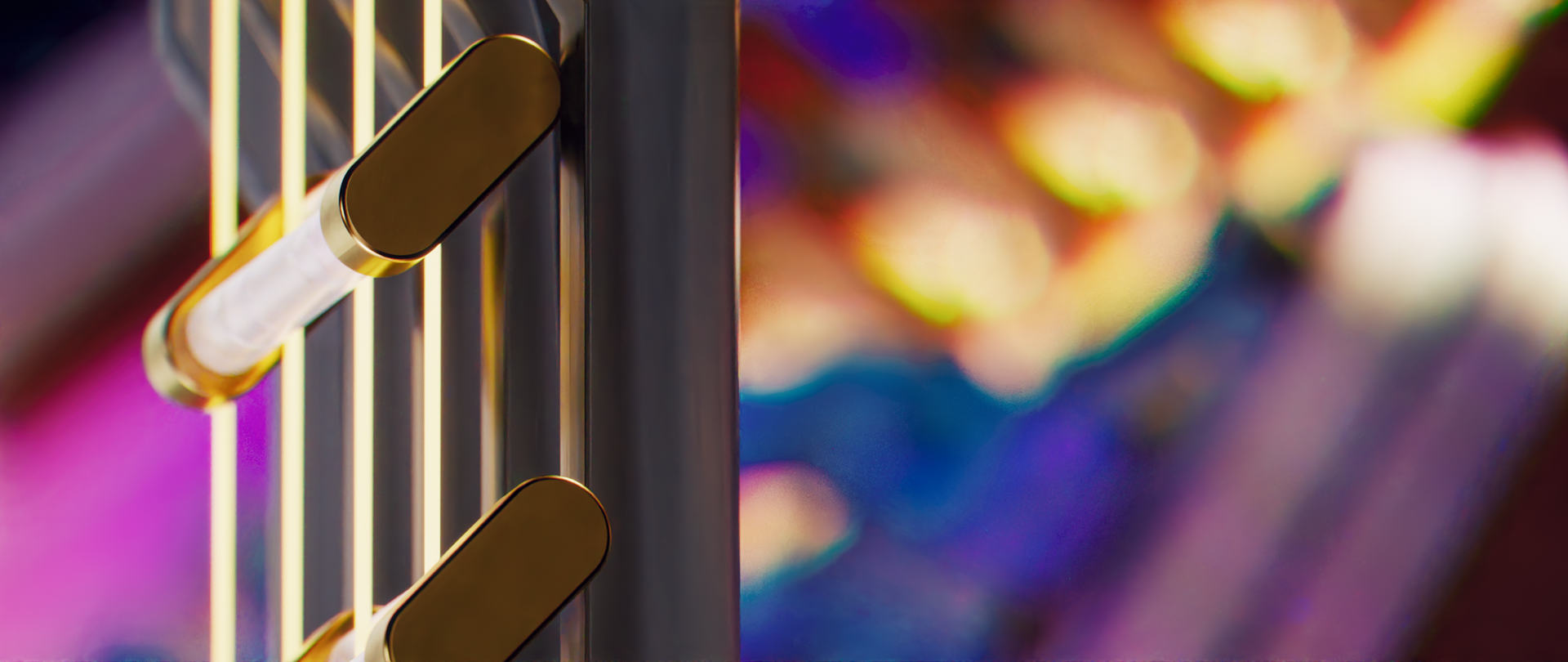
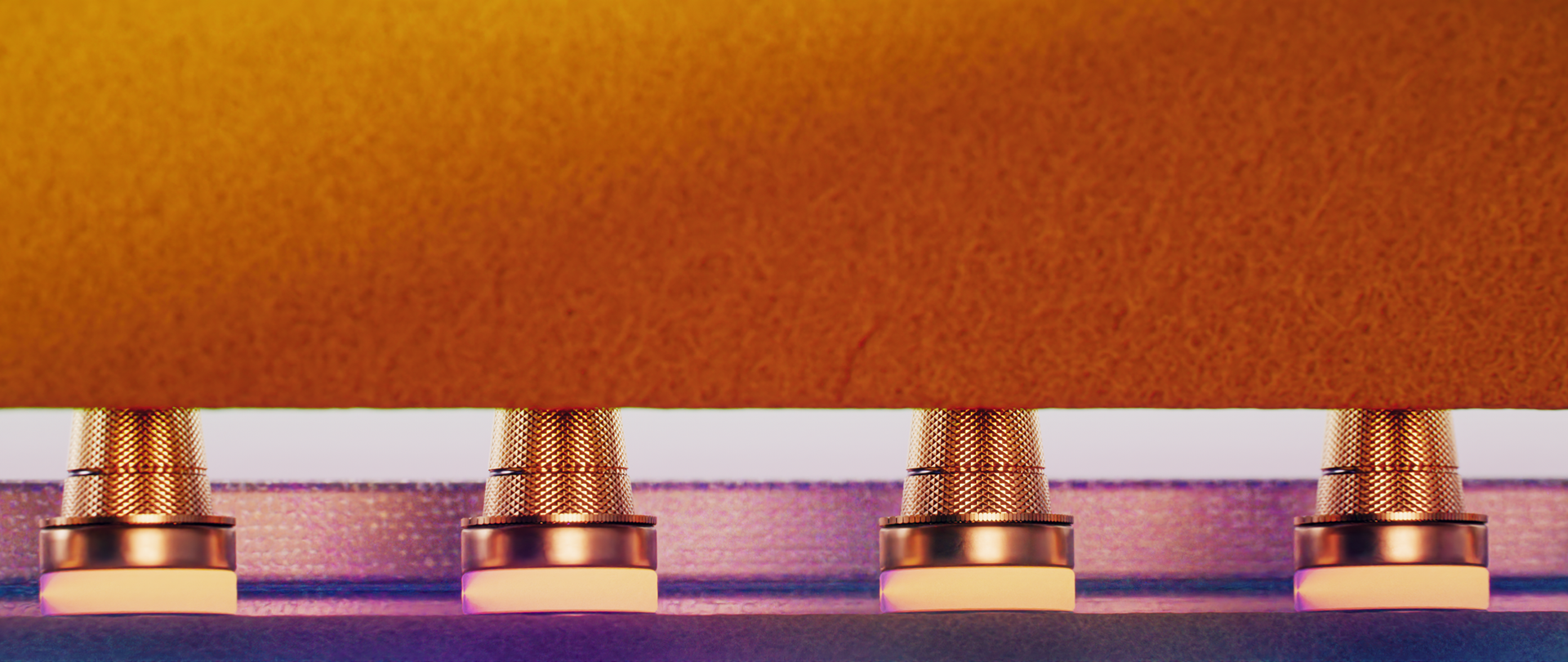
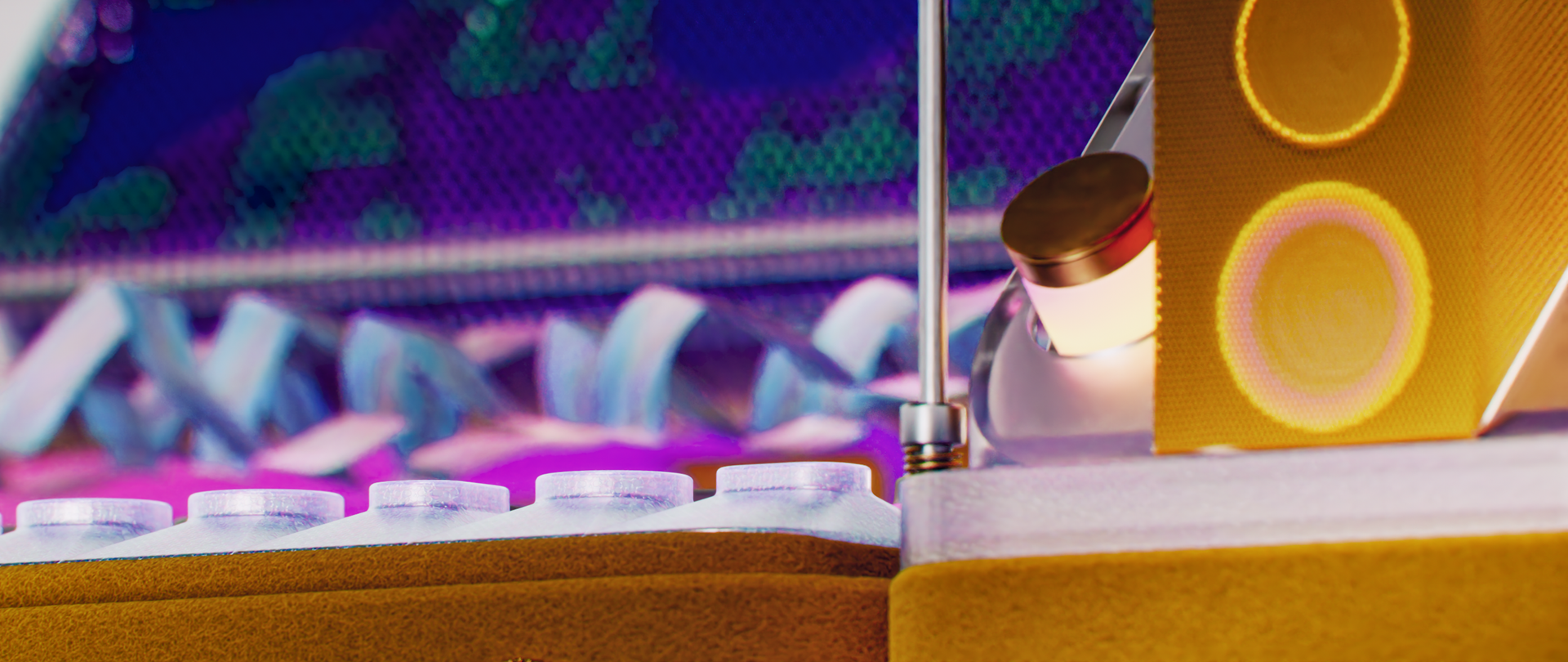
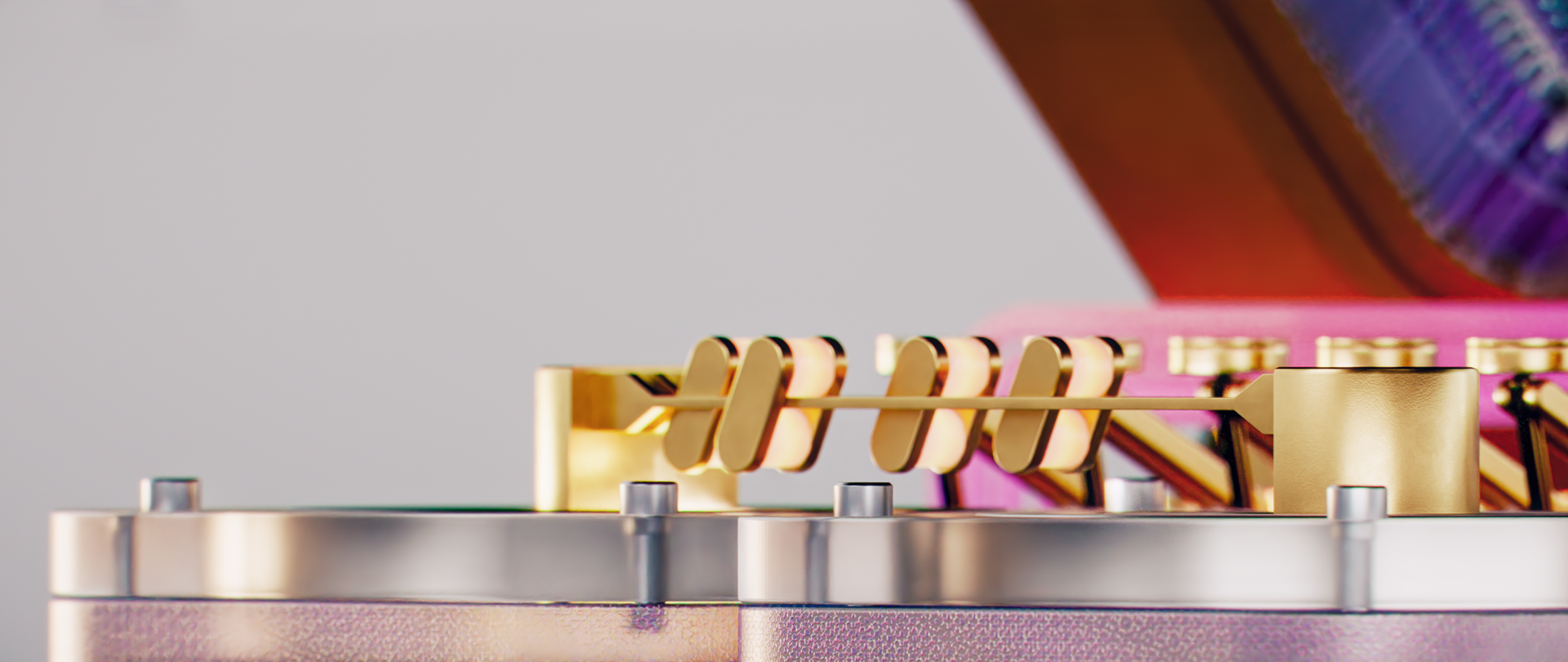
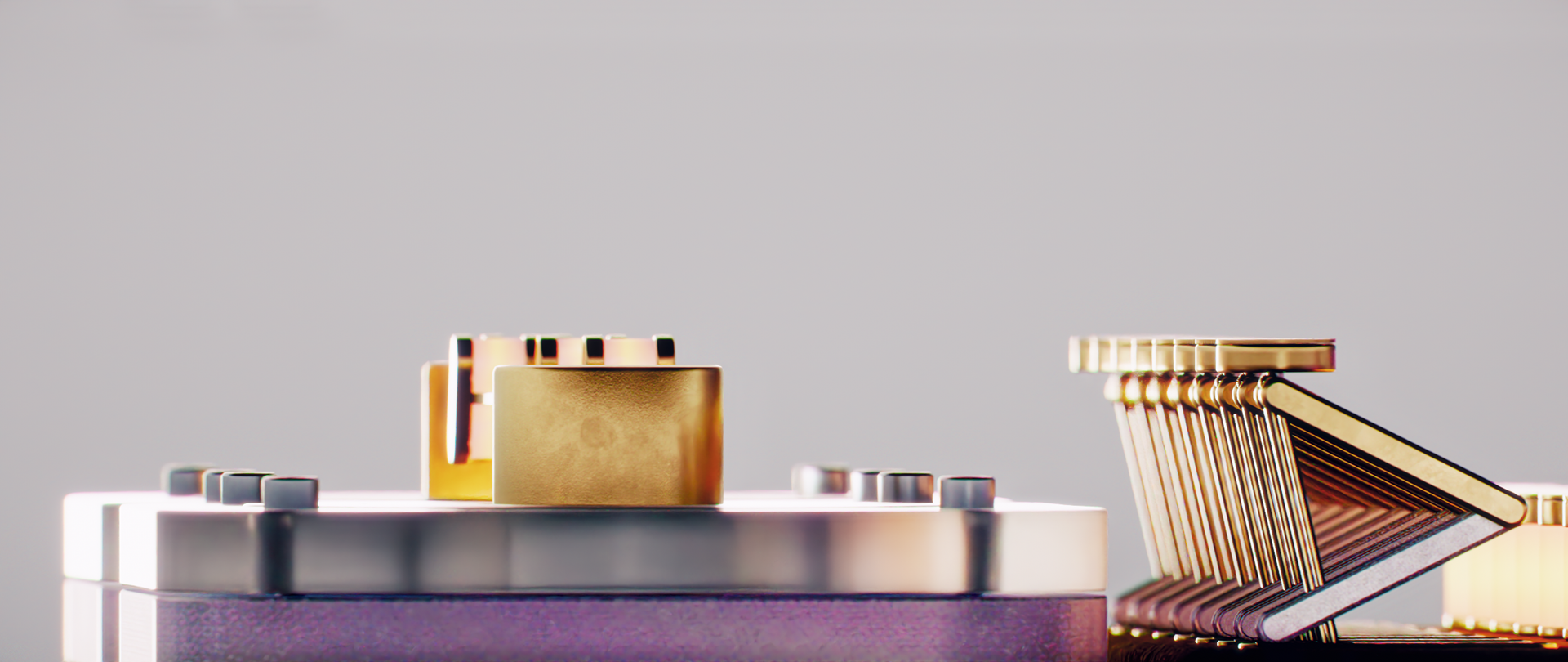
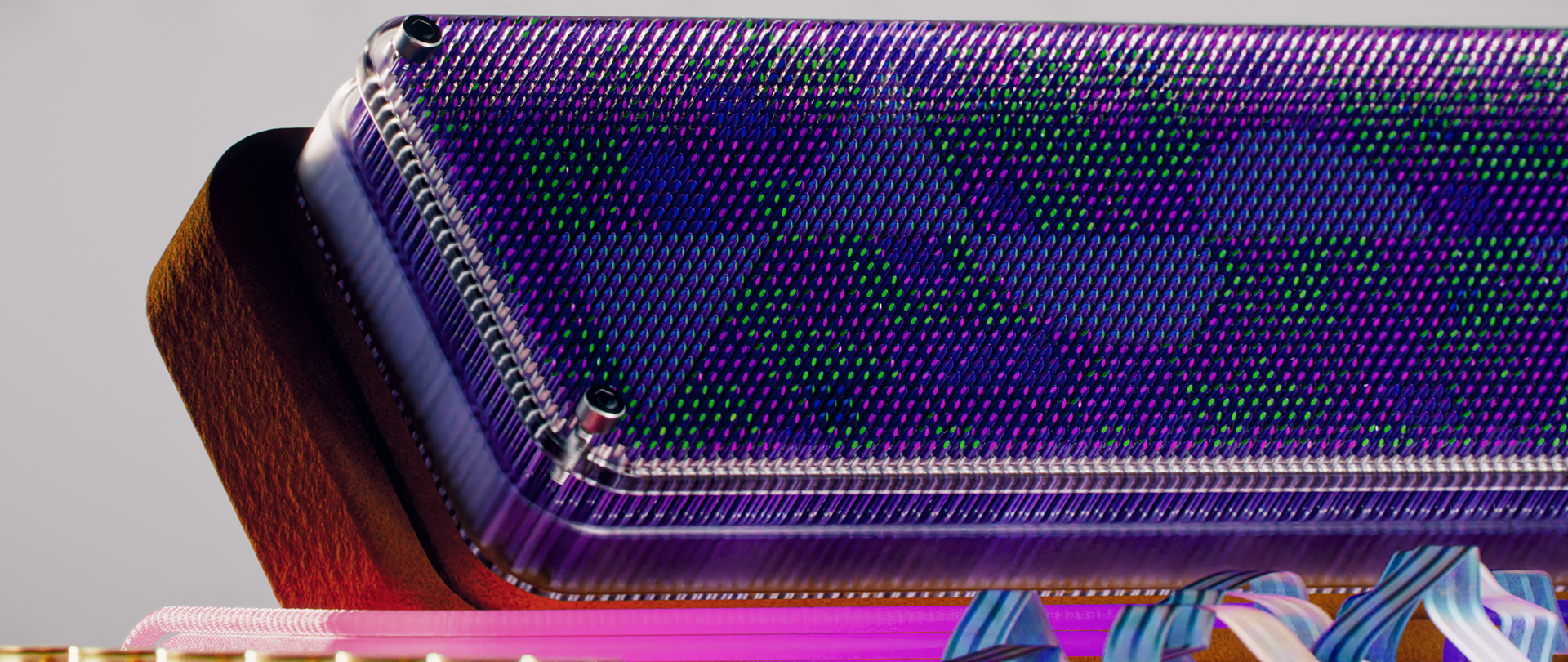
LuuM started life as a single still in Cinema 4D. I tend to “sketch” in 3D, so the hardware gradually evolved through modelling rather than being designed entirely on paper first. I built up the main housing, controls and mechanical elements piece by piece, starting with the “DeX” and eventually expanding that into a modular system of individual components, each with their own little personalities.
Look development was handled in Redshift, with a lot of time spent on materials, reflections and lighting to make the various metals, glass and surfaces feel properly physical. Taming the render was also a huge part of this. Rendering this particular breed of shaders is certainly a challenge on a personal render budget! Once the design language was established, I moved into animation, creating individual vignettes around the different modules, controls and mechanisms. To be honest, in creating a lot of the mechanisms, the animation evolved naturally.
Sound became a huge part of the process too. I created the audio around the animation, building musical interpretations of little mechanical noises, textures and other musical elements and motifs to give the hardware its own sense of life. Basically making noises for imaginary buttons because apparently that is a perfectly reasonable way to spend a week. I gave it a bit of a growl and a little bit of a “roomy” vibe to help it feel part of the current state of the world.
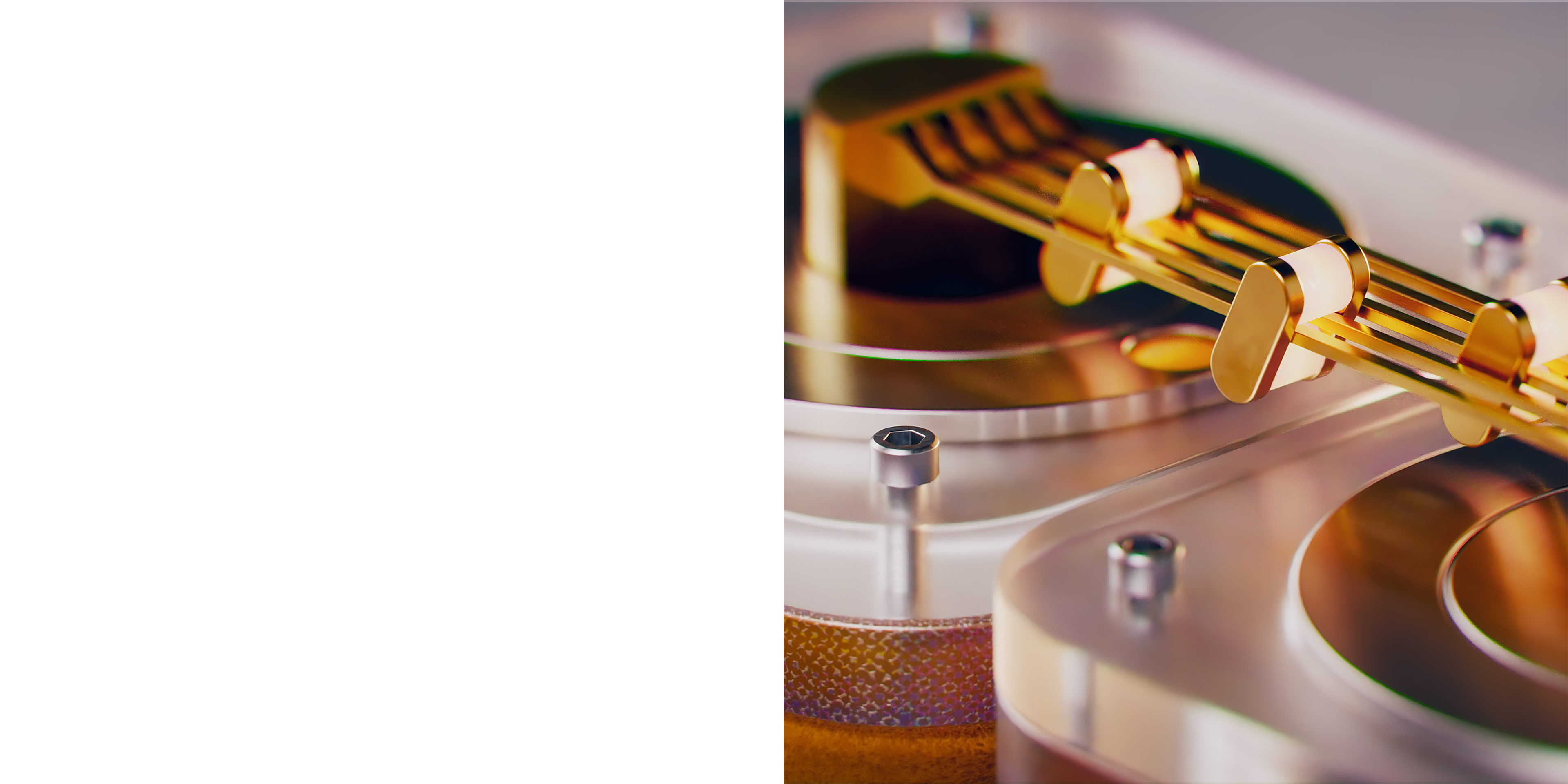
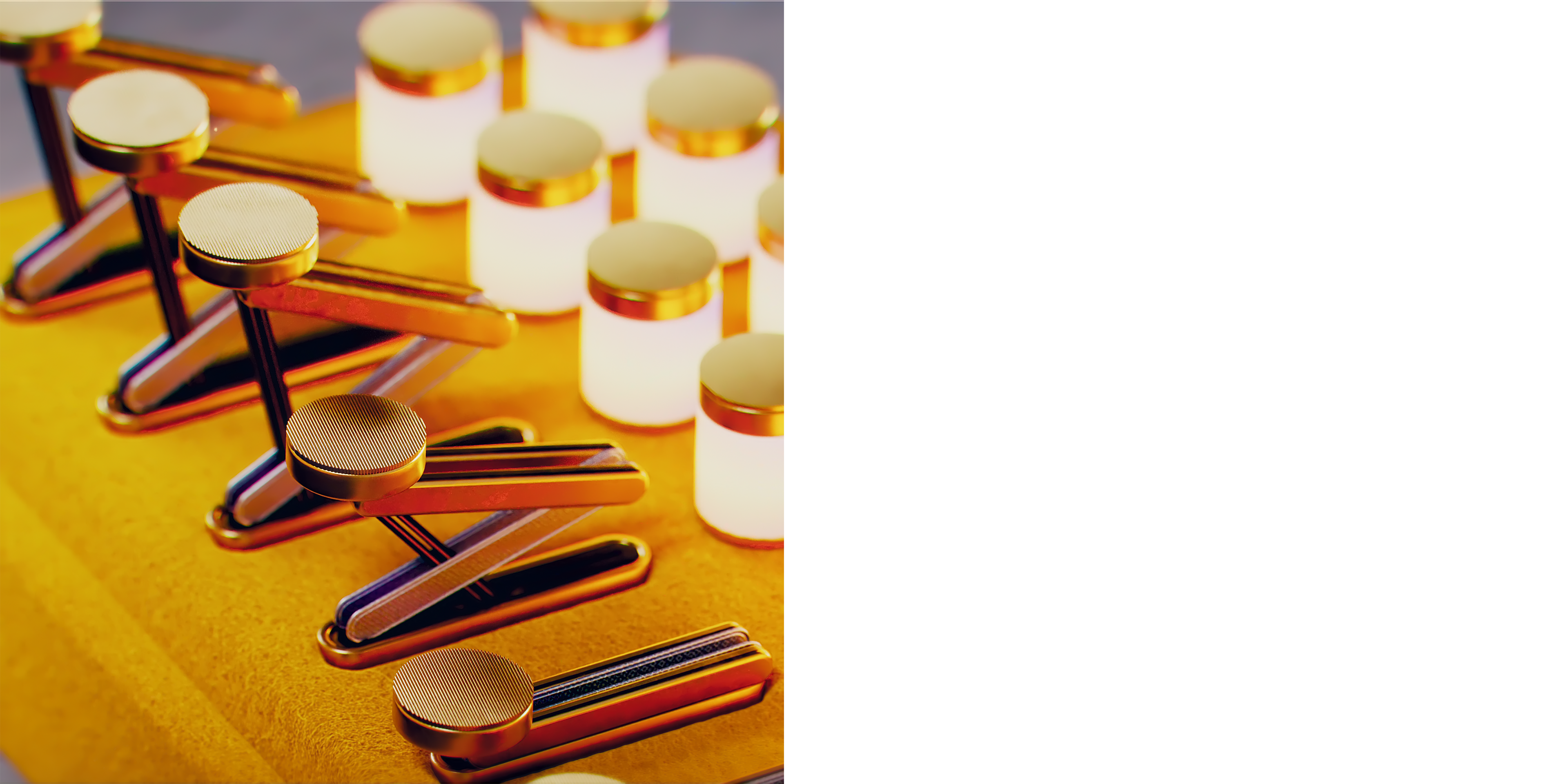
The final film brings those individual pieces together, alongside a series of close-up stills and vignettes for each module, all designed to show off the details that inevitably get lost when everything is moving.
The project was created primarily in Cinema 4D and Redshift, with compositing and finishing in After Effects.